Tuesday, April 24, 2012

Don't Panic, Go Organic


Though this article first appeared a few months back, its message is ever pertinent:
Approaching the Collapse: Don't Panic, Go Organic
Monday, August 29, 2011
by Ronnie Cummins

(www.NaturalNews.com) So-called "business as usual" is neither sustainable, nor even possible, for much longer. Out-of-control energy corporations, Wall Street, the Pentagon, agribusiness/biotech corporations, and indentured politicians have driven us to the brink. They tell us: don't worry; trust the experts, things will soon return to "normal." But reality and common sense tell a different story.

Extreme weather, crop failures, commodities speculation, land grabs, escalating prices, soil degradation, depleted aquifers, routine contamination, food-related disease, and mass hunger represent the "new norm" for food and farming. The global agricultural system, with the exception of the rapidly growing organic sector, rests upon a shaky foundation. Patented seeds, genetically engineered crops, expensive and destructive chemical and energy-intensive inputs, factory farms, monoculture production, eroding soils, unsustainable water use, taxpayer subsidies, and long-distance hauling and distribution, including massive imports that amount to 15% of the U.S. food supply amount to a recipe for disaster.

A "perfect storm" or "ultimate recession" as described by Lester Brown in his new book, World on the Edge, could develop at any time, precipitated by extreme weather and crop failures on a massive scale. A growing number of nations, including the oil giants and China, are now scrambling to secure overseas farmland to feed their domestic populations. World grocers and supermarkets, including the U.S., have, on the average, only a four-day supply of food on hand. An oil shock, global disease pandemic, prolonged drought in the American heartland, or nuclear meltdown could set off a global food panic. Supermarket shelves and grain silos would be stripped bare within a short period of time. Have you thought about this? Are you and those in your local community ready for this?

Peak Food, Peak Oil, Peak Water, Peak Soil

World grain reserves amount to less than 75 days of supply. Harvests of strategic food grains and cereals have basically leveled off or even decreased, with enormous amounts of acreage now providing fuel for cars instead of food for people. At the same time, affordable fossil fuel energy supplies have peaked (Peak Oil), with the world increasingly dependent on "extreme" oil and natural gas extraction (deep sea and Arctic drilling, tar sands, and fracking), accelerating the prices of petroleum-based farm inputs, as well as food distribution and processing costs. Billions of people in the Global South are now spending 50-70% of their household income on food (although in the U.S. it is only 11%). Hydrologists and agronomists warn that Peak Water is fast approaching, when the already limited availability of water from underground aquifers for crop irrigation exponentially decreases. Peak Soil is also fast approaching, with soil erosion and desertification already degrading 25% of the earth's land. Peak Soil is directly related to unsustainable farming and forestry practices, including heavy pesticide use, chemical fertilizers, genetically engineered mono-crops, and non-sustainable grazing and clear-cutting. Meanwhile global population numbers (in direct relation to poverty and lack of education for women) and demand for food (especially meat and animal products) are accelerating.

Of course, we could go on and on, citing the ever more disturbing information we read every day in the mainstream media and on the Internet. But the life or death question is: what are we going to do about it?

Crash-Resistant and Climate-Friendly: The Organic Revolution

Fortunately, over the past 40 years, a new generation of organic farmers and ranchers have proliferated, building upon the wisdom and practices of indigenous and traditional farmers over the past 10,000 years. A growing corps of organic farmers and gardeners are producing increasing amounts of healthy, nutritious foods without the use of chemical fertilizers, pesticides, genetically engineered seeds, or animal drugs. At the same time, these 21st Century organic stewards of the land are consuming far less (50% or more) fossil fuels and water. Study after study has demonstrated that organic small farms in the developing world out-produce chemical and genetically engineered farms by a factor of two to one; while in the industrialized nations, sustainable organic yields are comparable in "normal" weather to industrial farms; but far superior (up to 50-70% higher) in times of drought or torrential rain, the types of extreme weather that have become the "new norm." In other words, not only can organic farming feed the world, but it is in fact the only way that we are going to be able to feed the world in this 21st Century era of energy, water, and climate crisis.

The burning question then becomes how do we build up a stronger Movement that can promote and scale up organic, local and regional-based systems of food and farming (while complimentary green Movements do the same in the energy, housing, and transportation sectors)? How can we, as quickly as possible, build up a critical mass of organic farms, gardens, seed banks, farm schools, and distribution networks in all the local regions of North America and world? We don't have room in this essay to go into all the details, but here are a few things that millions of us are already starting to do, that are moving us forward and preparing us for survival in the likely eventuality of economic collapse.

(1) Step-up public education and consciousness-raising. We have now crossed a major threshold of raising public awareness: the majority of Americans say they prefer organic food, for a variety of health, environmental, and ethical reasons. After forty years of public education and campaigning, organic foods and products are the fastest growing items in America's grocery carts. Thirty million households, comprising 75 million people, are now buying organic foods and other products on a regular basis. Fifty-six percent of U.S. consumers say they prefer organic foods, citing a wide variety of reasons that we and the Organic Movement have taught them. Millions of young people and urban residents are starting to learn organic farming and gardening techniques.

(2) Step-up the campaign against industrial agriculture and genetic engineering. The more we educate people about the hazards of chemical and energy-intensive food and farming and genetically modified organisms (GMOs), the greater the demand for organic foods and products, and the greater the number of new organic farmers, young organic farm apprentices, and urban organic gardeners (now 12 million-strong). The Achilles heel or weakest link of industrial agriculture is truthful labeling: consumers right to know. If toxic pesticides, chemicals and genetically engineered ingredients are labeled, consumers will not buy them, retailers will not sell them, and farmers will not grow them. Even though Washington has fallen under the control of Monsanto and corporate agribusiness, we can still change public policies at the state and local level, with grassroots-powered ballot initiatives and state legislation. Even though we live in Monsanto Nation, we can still bring down Goliath.

(3) Link up with other Movements, local to global. Reducing global poverty, eliminating war and stabilizing the climate go hand-in-hand. The best way to reduce global rural poverty and conflict and eliminate war is through land reform and sustainable organic farming practices. With land reform and technical assistance, millions of organic farms in the Global South can develop and prosper, helping the world's poorest people, especially women, to produce far more food with less or no fossil fuel or chemical inputs. This organic revolution will enable several billion peasants and rural villagers to rise up from poverty and reduce the unsustainable population growth that accompanies abject poverty. At the same time, one of the best ways to reduce fossil fuel use and naturally sequester climate-destabilizing greenhouse gases is to change our current land use practices, to go organic. For 10,000 years indigenous people and traditional farmers fed the world with organic farming and animal husbandry practices. By converting the world's 12 billion acres of farmland and pasture land back to organic soil management we will be creating, instead of destroying, soil fertility, as well as restoring the soil food web's amazing ability to permanently sequester enormous amounts of climate destabilizing CO2 through increased plant photosynthesis. With organic soil management spreading across the world's 12 billion acres of farmland and pastureland, and a global mobilization to replant the 10 billion acres of forest that industry and agribusiness have destroyed, we can literally reverse global warming, bringing atmospheric concentrations of CO2 back down to a safe level of 350 parts per million from the current dangerous level of 390 ppm.

The hour is late, but there is still time to prepare ourselves and our communities before the economy collapses. Educate yourself and get active. Start to make preparations for an end to "business as usual." Step up your efforts. Help link the issues and different constituencies in the body politic. Don't panic. Go organic.

Ronnie Cummins is the National Director of the Organic Consumers Association.

Wednesday, March 14, 2012

Winter Weekend Wonderland


Cold on the heels of our Costa Rican hiatus came a February weekend away at the cottage. Just three pals jamming and exploring the wild side of snowy southern Ontario wintertime cottaging at the lake.

As we departed Dorset with our supplies in tow, the elements greeted us with heavy thick snow. The silent landscape a blur, we drove along the winding twenty kilometres, loaded supplies onto sleds and traipsed off into the deep white of the woods towards our home for the next couple of nights. Chris was generous in providing the venue for our little adventure, and the cottage woodstove was fired up as the outside temperature plummeted with the sunset. The cottage is cosy and charming, looking down and out over a pretty lake, ice and snow covered at this mid-winter season despite an unusually mild few weeks.

Saturday morning breaks with exquisite sunshine. We enjoy a hearty breakfast to set us up for a day of delight. We’re rewarded by heightened senses of dazzling light, bright, white snow, and clear, cold fresh air in our lungs. I am wearing the perfect hat, knitted by Gundi’s daughter Claudia and suggested to be destined for me by grand-daughter Sofie. It arrived in the mail just in time for our trip. The wind has dropped and the packed surface beneath our snowshoes and skis crunches loudly, breaking the silence. Ice-fishing snowmobilers whoosh by in streaks of powder white, heading for their huts. We sit serenely soaking up the glorious sun on the porch of a lovely old log cabin, part of a once-busy fishing camp. As we return “home”, the magnificent trees leading up the steep slope to the cottage are bathed in a late-afternoon glow, and so are we. The sun goes down, we pop open the wine, and Chris breaks into song, accompanied by guitar and crackling fire.

Tuesday, February 7, 2012

Costa Rican hiatus

In daily lives, it is easy to become disconnected, unplugged from Nature. In a competitive work world, we pontificate, philosophize, categorize, order, list, regulate, exploit, exaggerate, abuse, control, manipulate, distort, lie, make claims….

But when we see that monkey in the wild looking right at us, as we look into her deep eyes as she tries to fathom us, we melt into a profoundly stimulating sense of connection. It is a mere token of our sensibility, and a shame that such encounters with the wild rarely spark a deeper exploration of Earth, a deeper ongoing appreciation of its inseparability from our personal experience. We can of course stay plugged into the world of quick views, quick shots, fast downloads, instant replays on cameras, laptops and I-Pads, but it is immensely gratifying to be able to delve deeper.

The ocean is unusually placid for several weeks here on this tiny nation of Costa Rica’s south west Pacific coast. The view from our Pacific Edge cabin is simply breathtaking. Perched on the deck, as if suspended overlooking the lush green jungle canopy, the distance reveals a view north up forty kilometres of scalloped bays and sweeping shoreline beyond Dominical to Manuel Antonio. At night we can hear the waves kissing the land. By day, this gentle rhythm is drowned out by the pervasive throbbing hum of crickets and cicadas which reaches fever pitch an hour or so after the sun comes up and just before that same sun sinks like a fireball into the ocean to the west, occasionally honouring us with a green ray at the last millisecond. Some mornings, the still ocean comes alive with the dark shapes of humpback whales just beneath the surface; they are just arriving from the Arctic to calve in the warm waters. If we are patient enough – and, after a few days of tuning in, we are - big iridescent blue morpho butterflies fly jerkily by, toucans squawk and swoop onto the guarumo trees to peck at the seeds, howler monkeys send out their primeval grunts and growls from the jungle down below, a flock of screeching green parrots flies by in a mass frenzy, and a giant lobster locust lands on the wooden deck to sun himself before alighting again revealing his red undercarriage.

Trippers return from several days further south in Corcovado on the Osa Peninsula. They report on pristine Nature devoid of human influence, just as it was before the first Europeans arrived scratching their heads just over five hundred years ago. It is heartwarming to know that there are still places on this Earth moreorless untouched by human depredations, left to Nature to tend so magnificently. A few intrepid souls tiptoe around this sanctuary in awe of the profusion of decorated birds, large reptiles, multitudes of frogs and insects, kaleidoscopic butterflies, big cats, sloths and tapirs. 

To counterpose immersion in this rich coast (it was the Spanish who christened it Costa Rica), my reading takes in two contrasting books. The first is a cutting analysis of the world that keeps us all constantly on edge with its wildly excessive machinations, a financial system that is a madly careening rollercoaster. It is Extreme Money, by Satyajit Das. The second is an engrossing exploration of a world that could and should be through our connection with Nature. Becoming Animal by David Abram probes well beneath the surface. Orion Magazine wrote that Abram’s “profound recognition of intelligences other than our own enables us to enter into reciprocal symbioses that can, in turn, sustain the world. Becoming Animal illuminates a way forward in restoring relationship with the earth, led by our vibrant animal bodies to re-inhabit the glittering world.” Reading this book helped me appreciate that Nature doesn’t always perform tricks like breaching whales, cavorting dolphins, parading peacocks, soaring eagles. Sometimes you just sit with it, feel a faint whiff of wind, hear far-off rolls of waves on the shore, sense the gathering moisture in the air or the intensifying heat of the morning, smell the waftings of flowers, of woodfire smoke, of cows in the field. Nature in all its guises flows subtly over, into, and through us, or it can explode without warning like a booming firework. We just have to open our minds and bodies and embrace the charge. 

George from London and Suzy from California discovered their Pacific Edge haven some twenty years ago. They took in the magnificent view for the first time, purchased the land from locals, then set about opening up a dirt road up the mile or so from the coast, and building their cabins and house.

According to the New Economics Foundation, Costa Rica ranks first in the Happy Planet Index and is the "greenest" country in the world. In 2007, the Costa Rican government announced plans for Costa Rica to become the first carbon-neutral country by 2021. We are happy, not wealthy in our own home country, but when we spend times on this naturally rich coast, we too are enrichened. As George always says in his straight-up Cockney accent, “Happy Days”. Happy Days, George.

Tuesday, December 20, 2011

It can be done...

                                 Photo: www.inhabitat.com
German village generates 321 percent more renewable energy than it needs, earns millions selling it back to national power grid

Monday, December 19, 2011 by Ethan A. Huff, staff writer
(www.NaturalNews.com) Developing a renewable energy system that creates energy independence and even a considerable new source of revenue is not some sort of sci-fi pipe dream. BioCycle reports that the German village of Wildpoldsried, population 2,600, has had such incredible success in building its renewable energy system. Wildpoldsried generates 321 percent more renewable energy than it uses, and it now sells the excess back to the national power grid for roughly $5.7 million in additional revenue every single year.

By utilizing a unique combination of solar panels, "biogas" generators, natural wastewater treatment plants, and wind turbines, Wildpoldsried has effectively eliminated its need to be attached to a centralized power grid, and created a thriving renewable energy sector in the town that is self-sustaining and abundantly beneficial for the local economy, the environment, and the public.

You can view some amazing pictures of the Wildpoldsried village at

Possessing admirable vision for the town and strong motivation to see the project as a whole succeed, Mayor Arno Zengerie has led the way for many years in making Wildpoldsried's energy independence efforts a success. As far back as 1997, the village has been investing in building and promoting new industries, maintaining a strong local economy, generating new forms of revenue, and ultimately staying out of debt. And the best way it saw fit to accomplish much of this was through the implementation of self-sustaining, renewable energy technologies.

Not only did Wildpoldsried successfully reduce the amount of time expected to generate the necessary funds to build local treasures like a sports hall, theater stage, pub, and retirement home with the revenue generated by its thriving renewable energy sector - the village has already successfully built nine community buildings, with more on the way - but it also achieved all this and more without going into debt.

"We often spend a lot of time talking to our visitors about how to motivate the village council (and Mayor) to start thinking differently," said Mayor Zengerle, who now gives talks around the world about the successes of his award-winning village. "We show them a best practices model in motion and many see the benefits immediately. From the tour we give, our guests understand how well things can operate when you have the enthusiasm and conviction of the people.

Be sure to read the full, inspiring account of Wildpoldsried's history of, and successes in, renewable energy at http://www.jgpress.com/archives/_free/002409.html


Wednesday, November 16, 2011

Occupy Earth - Nature is the 99%, too


Image credit: NOAA
 
Chip Ward brings this remarkable insightful analysis of the dangers of increased despoiling of the planet’s ecology as it is trampled by the mantra of growing the economy.
 
The economy is built on the idea of relentless growth, which is an environmental and health disaster for all but the 1%.
Chip Ward  09 Nov 2011

What if rising sea levels are yet another measure of inequality? What if the degradation of our planet's life-support systems - its atmosphere, oceans and biosphere - goes hand in hand with the accumulation of wealth, power and control by that corrupt and greedy 1 per cent we are hearing about from Zuccotti Park? What if the assault on America's middle class and the assault on the environment are one and the same?

It's not hard for me to understand how environmental quality and economic inequality came to be joined at the hip. In all my years as a grassroots organiser dealing with the tragic impact of degraded environments on public health, it was always the same: Someone got rich and someone got sick.

In the struggles that I was involved in to curb polluters and safeguard public health, those who wanted curbs, accountability and precautions were always outspent several times over by those who wanted no restrictions on their effluents.

We dug into our own pockets for postage money, they had expense accounts. We made flyers to slip under the windshield wipers of parked cars, they bought ads on television. We took time off from jobs to visit legislators, only to discover that they had gone to lunch with fulltime lobbyists.

Naturally, the barons of the chemical and nuclear industries don't live next to the radioactive or toxic-waste dumps that their corporations create; on the other hand, impoverished black and brown people often do live near such ecological sacrifice zones because they can't afford better.

Similarly, the gated communities of the hyper-wealthy are not built next to cesspool rivers or skylines filled with fuming smokestacks, but the slums of the planet are. Don't think, though, that it's just a matter of property values or scenery.  It's about health, about whether your kids have lead or dioxins running through their veins. It's a simple formula, in fact: Wealth disparities become health disparities.

And here's another formula: When there's money to be made, both workers and the environment are expendable. Just as jobs migrate if labour can be had cheaper overseas, I know workers who were tossed aside when they became ill from the foul air or poisonous chemicals they encountered on the job.

The fact is: We won't free ourselves from a dysfunctional and unfair economic order until we begin to see ourselves as communities, not commodities. That is one clear message from Zuccotti Park.

Polluters routinely walk away from the ground they poison and expect taxpayers to clean up after them. By "externalising" such costs, profits are increased. Examples of land abuse and abandonment are too legion to list, but most of us can refer to a familiar "superfund site" in our own backyard.

Clearly, Mother Nature is among the disenfranchised, exploited and struggling.

Democracy 101

The 99 per cent pay for wealth disparity with lost jobs, foreclosed homes, weakening pensions and slashed services, but Nature pays, too. In the world the one-percenters have created, the needs of whole ecosystems are as easy to disregard as, say, the need the young have for debt-free educations and meaningful jobs. 

Extreme disparity and deep inequality generate a double standard with profound consequences. If you are a CEO who skims millions of dollars off other people's labour, it's called a "bonus". If you are a flood victim who breaks into a sporting goods store to grab a lifejacket, it's called looting. If you lose your job and fall behind on your mortgage, you get evicted. If you are a banker-broker who designed flawed mortgages that caused a million people to lose their homes, you get a second-home vacation-mansion near a golf course.

If you drag heavy fishnets across the ocean floor and pulverise an entire ecosystem, ending thousands of years of dynamic evolution and depriving future generations of a healthy ocean, it's called free enterprise. But if, like Tim DeChristopher, you disrupt an auction of public land to oil and gas companies, it's called a crime and you get two years in jail.  

In campaigns to make polluting corporations accountable, my Utah neighbours and I learned this simple truth: Decisions about what to allow into the air we breathe, the water we drink and the food we eat are soon enough translated into flesh and blood, bone and nerve and daily experience. So it's crucial that those decisions, involving environmental quality and public health, are made openly, inclusively and accountably. That's Democracy 101.

The corporations that shred habitat and contaminate your air and water are anything but democratic. Stand in line to get your 30 seconds in front of a microphone at a public hearing about the siting of a nuclear power plant, the effluent from a factory farm, or the removal of a mountaintop and you'll get the picture quickly enough: The corporations that profit from such ecological destruction are distant, arrogant, secretive, and unresponsive.

The one per cent are willing to spend billions impeding democratic initiatives, which is why every so-called environmental issue is also about building a democratic culture.  

First Kill the EPA, then Social Security

Beyond all the rhetoric about freedom from the new stars of the Republican Party, the strategy is simple enough: Obstruct and misinform, then blame the resulting dysfunction on "government".

It's a great scam. Tell the voters that government doesn't work and then, when elected, prove it. And first on the list of government outfits they want to sideline or kill is the Environmental Protection Agency, so they can do away with the already flimsy wall of regulation that stands between their toxins and your bloodstream.

Poll after poll shows that citizens understand the need for environmental rules and safeguards. Mercury is never put into the bloodstreams of nursing mothers by consensus, nor are watersheds fracked until they are flammable by popular demand. But the free market ideologues of the Republican Party are united in opposition to any rule or standard that impedes the "magic" of the marketplace and unchecked capital.

The same bottom-line quarterly-report fixation on profitability that accepts oil spills as inevitable also accepts unemployment as inevitable. Tearing apart wildlife habitat to make a profit and doing the same at a workplace are just considered the price of doing business. Clearcutting a forest and clearcutting a labor force are two sides of the same coin.   

Beware of Growth

Getting the economy growing has been the refrain of the Obama administration and the justification for every bad deal, budget cut and unbalanced compromise it's made.

The desperate effort to grow the economy to solve our economic woes is what keeps Timothy Geithner at the helm of the Treasury and is what stalls the regulation of greenhouse gasses. It's why we are told we must sacrifice environmental quality for pipelines and why young men and women are sacrificed to protect access to oil, the lubricant for an acquisitive economic engine.
 
The financial empire of the one percenters and the political order it has shaped are predicated on easy and relentless growth. How, we are asked, will there be enough for everyone if we don't keep growing?

The fundamental contradiction of our time is this: We have built an all-encompassing economic engine that requires unending growth. A contraction of even a per cent or two is a crisis, and yet we are embedded in ecosystems that are reaching or have reached their limits.

This isn't complicated: There's only so much fertile soil or fresh water available, only so many fish in the ocean, only so much CO2 the planet can absorb and remain habitable.

Yes, you can get around this contradiction for a while by exploiting your neighbour's habitat, using technological advances to extend your natural resources and stealing from the future - that is, using up soil, minerals, and water your grandchildren (someday to be part of that same 99 per cent) will need. But the limits to those familiar and, in the past, largely successful strategies are becoming more evident all the time.

At some point, we'll discover that you can't exist for long beyond the boundaries of the natural world, that (as with every other species) if you overload the carrying capacity of your habitat, you crash.

Warming temperatures, chaotic weather patterns, extreme storms, monster wildfires, epic droughts, Biblical floods, an avalanche of species extinction... that collapse is upon us now.

In the human realm, it translates into hunger and violence, mass migrations and civil strife, failed states and resource wars.

Like so much else these days, the crash, as it happens, will not be suffered in equal measure by all of us. The one percenters will be atop the hill, while the 99 per cent will be in the flood lands below swimming for their lives, clinging to debris or drowning. The Great Recession has previewed just how that will work.

An unsustainable economy is inherently unfair and worse is to come. After all, the car is heading for the cliff's edge, the grandkids are in the backseat, and all we're arguing about is who can best put the pedal to the metal.

Occupy Earth

Give credit where it's due: It's been the genius of the protesters in Zuccotti Park to shift public discourse to whether the distribution of economic burdens and rewards is just and whether the economic system makes us whole or reduces and divides us.

It's hard to imagine how we'll address our converging ecological crises without first addressing the way accumulating wealth and power has captured the political system. As long as Washington is dominated and intimidated by giant oil companies, Wall Street speculators and corporations that can buy influence and even write the rules that make buying influence possible, there's no meaningful way to deal with our economy's addiction to fossil fuels and its dire consequences.

Nature's 99 per cent is an amazingly diverse community of species. They feed and share and recycle within a web of relationships so dynamic and complex that we have yet to fathom how it all fits together. What we have excelled at so far is breaking things down into their parts and then reassembling them; that, after all, is how a barrel of crude oil becomes rocket fuel or a lawn chair.

When it comes to the more chaotic, less linear features of life like climate, ecosystems, immune systems or foetal development, we are only beginning to understand thresholds and feedback loops, the way the whole becomes greater than the sum of its parts. But we at least know that the parts matter deeply and that, before we even fully understand them, we're losing them at an accelerating rate. Forests are dying, fisheries are going, extinction is on steroids.

Degrading the planet's operating systems to bolster the bottom line is foolish and reckless. It hurts us all. No less important, it's unfair. The 1 per cent profit, while the rest of us cough and cope.

After Occupy Wall Street, isn't it time for Occupy Earth?

Chip Ward co-founded and led Families Against Incinerator Risk and HEAL Utah. A TomDispatch regular, he wrote about campaigns to make polluters accountable in Canaries on the Rim: Living Downwind in the West and about visionary conservationists in Hope's Horizon: Three Visions for Healing the American Land.

A version of this article was first published on www.TomDispatch.com

Friday, November 11, 2011

At this eleventh hour...

Image from www.13moon.com

At this eleventh minute of the eleventh hour of the eleventh day of the eleventh month of the eleventh year of this new millennium, it would be good to take pause:

to reflect on a century of wars that have affected the whole world deeply,
to remember all the millions of innocent women, children and men and the sacrificial lambs who have lost their lives in the process,
to believe in, and strive for, a better way,
to work in a co-operative spirit toward that natural antithesis of war and conflict - peace and harmony.

Tuesday, November 1, 2011

Time Out in Nature – Killarney


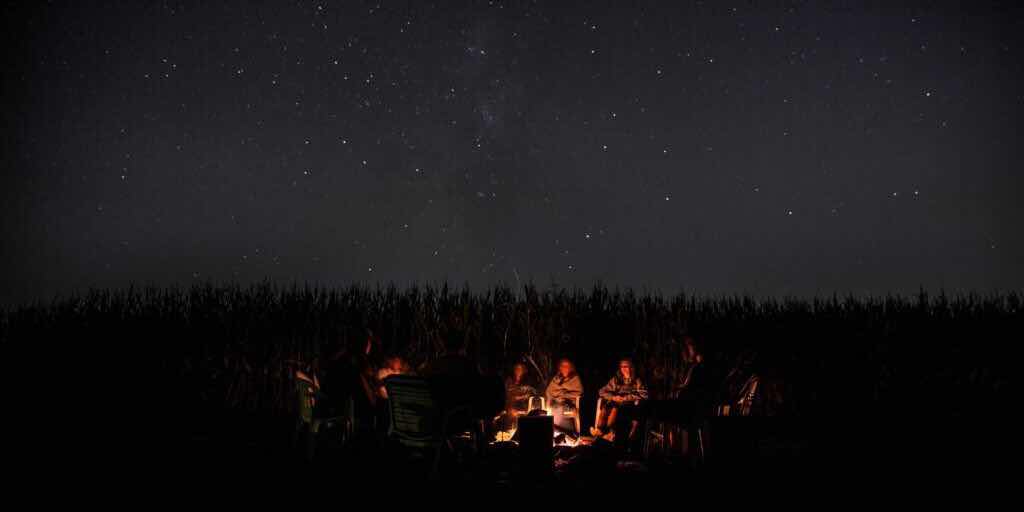
We do it every year at this season of transformation, diving into the chill late autumnal air of the great outdoors of lakes and rocks, woodlands and wetlands, just as they are all bedding down for winter. It’s a few days and nights of time out from routine and regularity; a breathing space. Our spouses think we have lost our senses; far from it, we know they are out there to be retrieved. The sense of connection runs deep – a kinship with the trees, the waters, the canoe that guides us, the ravens, beavers, ducks and loons that greet us, the white two billion years-old quartzite rocks that cradle us, and the star-filled sky that parades at night.

The greed and fear, waste and war, death and destruction so prevalent in the troubled realm of humanity are purged from our thoughts for these few precious days. What good are they to us out here in the pure wild? The true natives of these lands knew all too well that true respect for Nature is key to survival.

Far-sighted visionaries set aside the almost 50,000 hectares of Killarney Provincial Park for many generations to behold, in their pristine natural state, to be shared with the black bears and the beavers, the lynx and the loons, the ravens and the rattlesnakes. This perfect fusion of earthly terrain and watery expanses has evolved without us humans over millennia. Let’s hope we allow it to continue to succour and sustain all manner of life for millennia to come. Unfortunately it is our call…

Two spirited ravens
flap their timeworn wings
and rise into the still clear air
above glistening lakes,
sun-dappled trees,
rounded white quartzite ranges,
two pilots on an endless flight,
bound they know not where.